



Related products
Recommended products
-
Higashinaruse Tech Solutions Co., Ltd.
JPY 0
-
JPY 0
-
JPY 0
-
Tamaasahi Sake Brewery Co., Ltd.
JPY 0
-
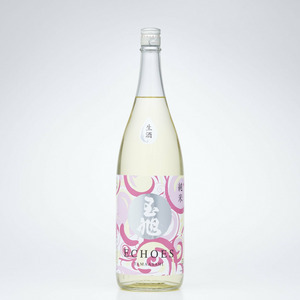
Tamaasahi Sake Brewery Co., Ltd.
JPY 0
-
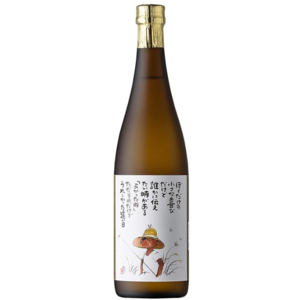
JPY 0
-
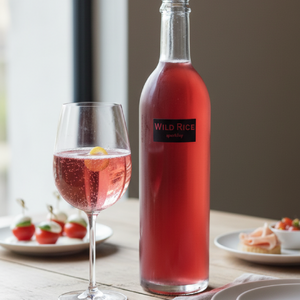
Watanabe Sahei Shoten Co., Ltd.
JPY 0
-
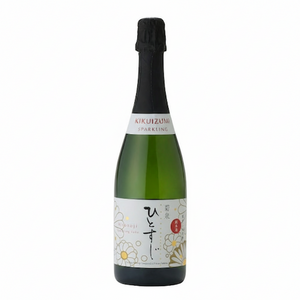
Takizawa Sake Brewery Co., Ltd.
JPY 0
-
JPY 0
-
JPY 0
-
JPY 0
-
Chitossezakari Sake Brewery Co., Ltd.
JPY 0
-
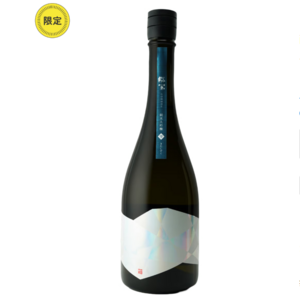
GOHHOU-JunmaiDaiginjo 28%ricepolishing ratioplatinum label
JPY 0
-
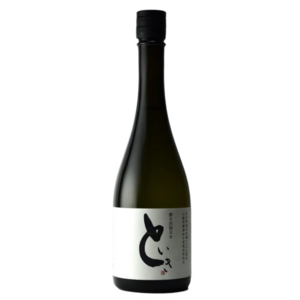
Toiki-Junmai Ginjo45%rice polishing
JPY 0
-
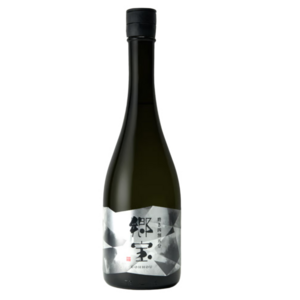
GOHHOU-JunmaiGinjo 45%ricepolishing ratio Silverlabel
JPY 0
-
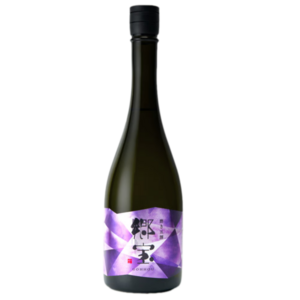
GOHHOU-JunmaiGinjo 50%ricepolishing ratio Purplelabel
JPY 0
Product information
-
-
Product No.
MA001-CPAA0001
-
ABV (%)
17
-
Origin
Saitama
-
Volume(Volume Unit)
720(ml)
-
Gross Weight (g)
1100
-
-
-
Expiration Date(Expiration Date Unit)
24(month)
-
Pack Contents Quantity
12
-
Case Size (L) (cm)
28.5
-
Case Size (W) (cm)
38.5
-
Case Size (H) (cm)
33.0
-
Case Weight (kg)
15.60
-
※Specifications are subject to change without notice. Please confirm at the time of purchase.
Product features
Aroma
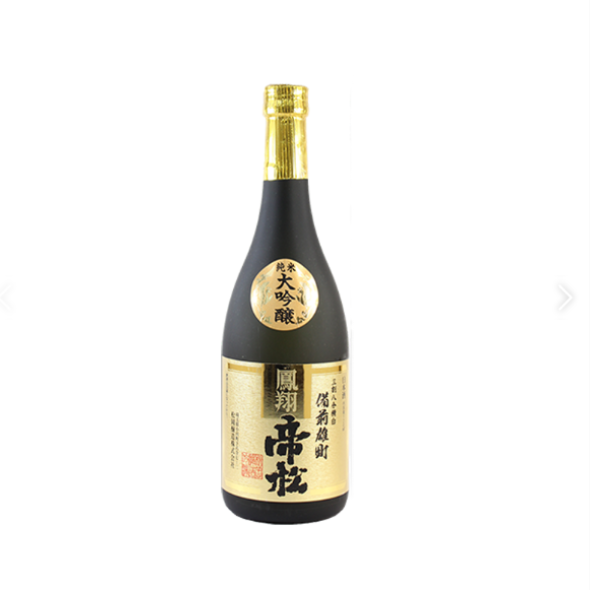
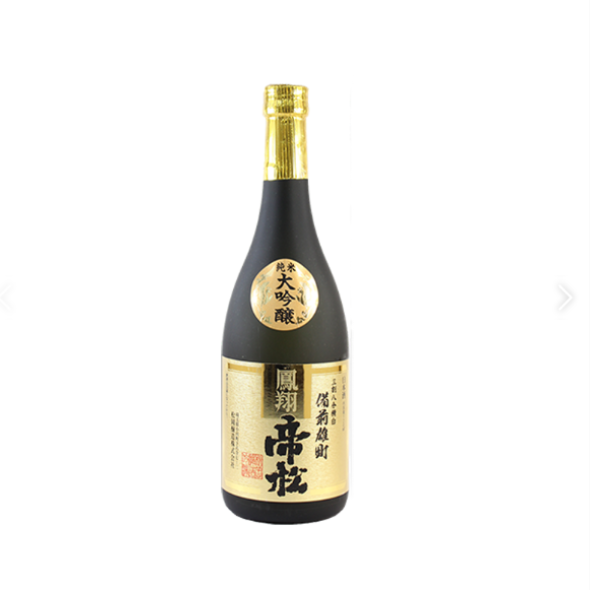
Elegant and fruity, reminiscent of fresh apples and pears.
Taste
Silky-smooth texture followed by the rich, deep umami of Bizen Omachi rice.
Pairing
Perfect with fresh seafood, sashimi, light appetizers, and mild cheeses.
Comment
Brand introduction
-
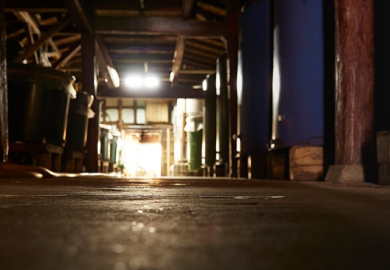
1
A Legacy of Sake Brewing Since the Edo Period
The founder, Yuemon Matsuoka, was born into a family deeply involved in sake brewing in Anezaki, Koshiki District of Echigo—an area long known for its sake-making tradition.
In pursuit of the ideal environment for crafting the sake he envisioned, Yuemon relocated the entire brewery and established it at its current location in 1851 (Kaei 4).
At that time, Ogawa Town was a key transportation hub where the Chichibu Okan Road and the Hachioji Kaido Road intersected.
The town served as a center for the distribution of daily goods, with bustling monthly markets that attracted many merchants and travelers.
Ogawa also functioned as a trading point between the mountainous Chichibu region, where rice production was limited, and the fertile plains where rice was abundant.
As a result, grain traders frequently gathered there.
Naturally, such a lively town created the perfect environment for people to enjoy sake.
Recognizing this opportunity, Yuemon chose Ogawa as the place to build his brewery and begin a new chapter in its history. -
2
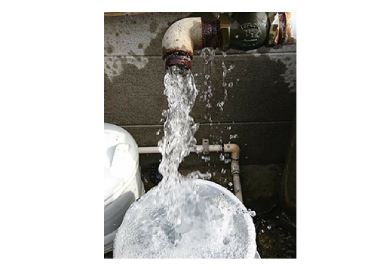
Brewing Water
This region was also blessed with another essential element for sake brewing—high-quality water.
Spring water originating from the Chichibu mountain range is naturally filtered through layers of limestone, emerging as mineral-rich natural water with a relatively high hardness level.
Although technically hard water, it has a remarkably smooth and gentle character.
This unique water became the key to creating the refined sake that Yuemon sought to brew.
With the ideal combination of pure water, quality rice, and a thriving market for sake, this location offered an exceptional environment for establishing a sake brewery. -
3
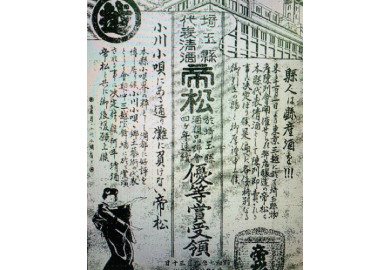
"Mikadomatsu"
At the time of its founding, the brewery operated under the trade name “Osakaya” and sold its sake under the brand name “Matsuzakari.”
Later, the brewery introduced its current flagship brand, “Mikadomatsu.”
The name carries symbolic meaning: “Mikado” represents the highest authority in Japan, while “Matsu” (pine tree) symbolizes prosperity and longevity with its evergreen leaves.
The name reflects the brewery’s aspiration to maintain the highest standards of sake brewing for generations to come.
Mikadomatsu sake is generally known for its fruity aroma and gentle sweetness.
Today, the lineup includes around 150 varieties, including different bottle sizes.
This wide range of products reflects the brewery’s philosophy of allowing as many people as possible to enjoy delicious sake, offering options that suit the diverse tastes of consumers. -
4
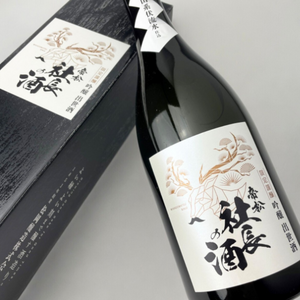
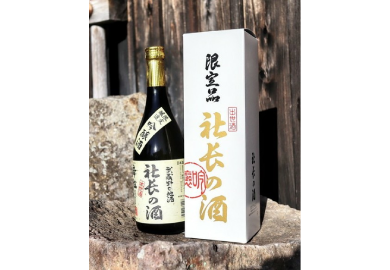
“The President’s Sake”
Among the many sake brewed with this philosophy, one product has gained exceptional popularity among customers—“The President’s Sake.”
With its unforgettable name, this sake was first introduced during the era of the fifth-generation brewer, Yuji. At the time, during Japan’s period of rapid economic growth in the Showa era, ginjo sake was still largely unknown to the general public.
Under the old sake classification system, it was released as an unclassified ginjo sake, neither “Special Grade” nor “First Grade.”
This pioneering release marked one of the earliest distributions of ginjo sake in Saitama Prefecture.
Its reputation quickly spread by word of mouth, and the brewery soon earned recognition as one of the finest producers of ginjo sake in Saitama.
Originally, this sake was brewed only in very small quantities for submission to sake competitions.
Any remaining bottles were reserved for special occasions, such as gifts used by the company’s president.
The storage tank was marked with the label “The President’s Sake” as a simple identifier, which later became the origin of its distinctive name.
Today, the name has taken on a new meaning, and the sake is affectionately known as an auspicious “success sake,” often enjoyed as a celebratory drink symbolizing prosperity and achievement. -
5
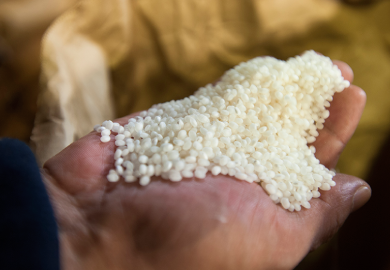
Sake Rice
With the goal of delighting sake enthusiasts, the brewery places particular importance on selecting high-quality sake rice, one of the most crucial elements in sake brewing.
Depending on the type of sake being produced, the brewery carefully chooses rice varieties and their regions of origin.
These include Yamada Nishiki, a premium sake rice grown in Yokawa Town, Hyogo Prefecture and ranked in the highest “Special A” category; Yama Sake No. 4 (also known as Tamanahae) from Yamagata Prefecture; Bizen Omachi from Akaiwa City in Okayama Prefecture; and Sake Musashi, a sake rice variety originally developed in Saitama Prefecture.
By selecting each rice variety according to the style of sake being brewed, the brewery strives to craft sake that highlights the unique character of each ingredient.